
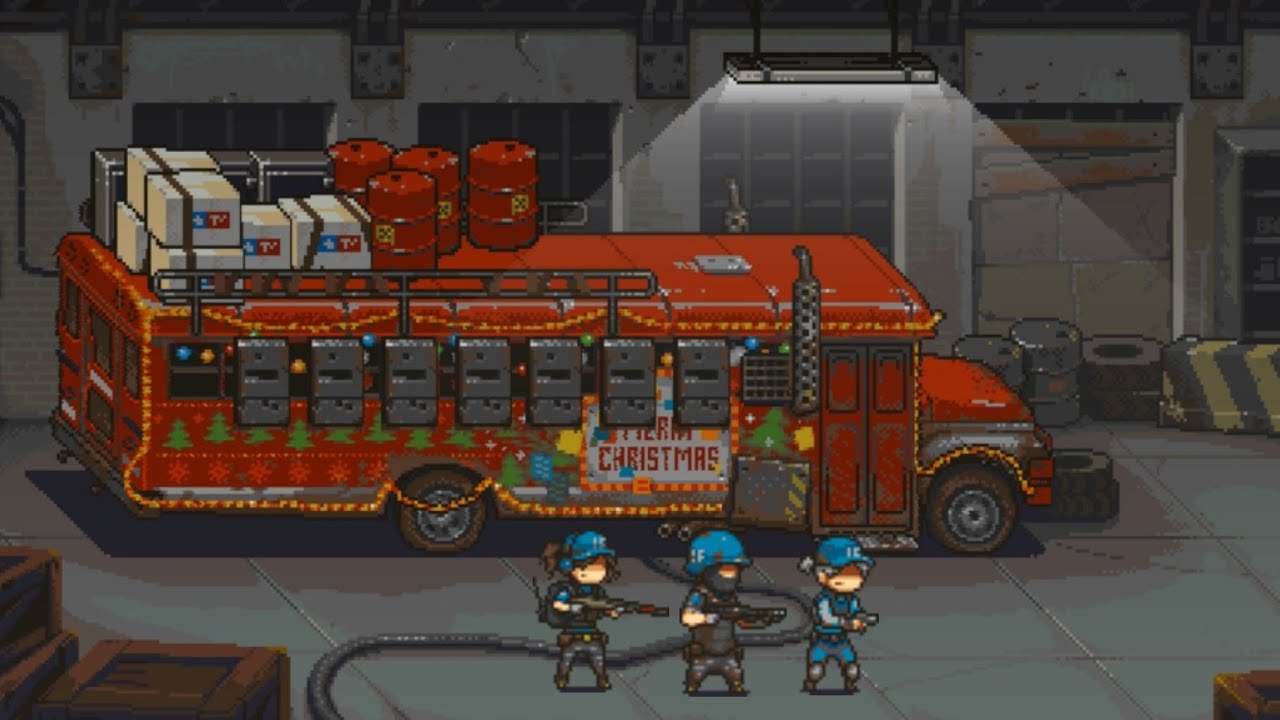
An Apocalypse Draped in Holiday Ashes
By the time a franchise reaches its fifth installment, it usually survives on momentum rather than meaning. Zombies 5: Dead Christmas surprises by doing the opposite. It pares the apocalypse down to something intimate, almost uncomfortably human, and then sets it against the irony of a ruined holiday season. The result is a film that understands spectacle but is more interested in the moral wreckage left behind.

Set in a world long past saving, the story opens not with chaos but exhaustion. Civilization has already collapsed. Hope, if it exists at all, is fragile and conditional. The tagline promises that the dead are just the beginning, and for once, that is not marketing exaggeration but the movie’s thesis.

Story and Themes
The narrative follows a scattered group of survivors navigating frozen wastelands and abandoned cities in search of sanctuary. What they find instead is a harsher truth: the greatest danger no longer wears a decaying face. The zombies are relentless, yes, but predictable. The living are not.

The screenplay leans heavily into themes of moral erosion and survival fatigue. Each decision feels weighted, not because the plot demands it, but because the characters are worn down by years of loss. Christmas imagery is used sparingly but effectively, serving as a cruel reminder of what humanity once celebrated together.
Unlike earlier entries in the series, this chapter resists easy victories. Safe havens are temporary illusions, and trust is a resource rarer than ammunition. The film’s most unsettling moments come not from attacks, but from quiet realizations about what people are willing to become.
Performances That Ground the Chaos
Norman Reedus anchors the film as a hardened survivor whose silence speaks louder than most dialogue. His performance is built on restraint, conveying grief and resolve through posture and glance rather than exposition. It is the work of an actor who understands that apocalypse stories are really about accumulation of loss.
Dwayne “The Rock” Johnson brings physical authority and surprising vulnerability. His character’s leadership is tested not by strength, but by doubt. Johnson wisely tones down his usual bravado, allowing cracks to show beneath the muscle.
Milla Jovovich delivers a fierce, focused performance that recalls her best genre work. She embodies a survivor who refuses to surrender her humanity, even when it becomes a liability. Andrew Lincoln, in a more measured role, provides emotional ballast, representing the cost of holding onto ideals in a world that punishes them.
Direction and Atmosphere
The direction favors bleak realism over stylized horror. Snow-covered ruins and dimly lit interiors create a suffocating sense of stasis, as if the world itself has given up moving forward. Action sequences are sharp and explosive, but never indulgent. Each burst of violence feels like a setback rather than a thrill.
Sound design plays a crucial role. Long stretches of near silence are punctuated by sudden chaos, reinforcing the sense that danger is always waiting just beyond perception. The pacing allows tension to breathe, trusting the audience to sit with discomfort.
Action Versus Emotion
There is no shortage of large-scale confrontations, and fans of the series will find plenty to admire in the film’s set pieces. However, the most effective scenes are smaller and quieter. Conversations held in half-lit rooms carry more weight than any explosion.
The film understands that by the fifth chapter, escalation must be emotional rather than purely physical. The stakes are no longer about survival alone, but about what survival costs.
Strengths and Weaknesses
- Strengths: Thoughtful performances, mature themes, atmospheric direction, and a willingness to challenge genre expectations.
- Weaknesses: The bleak tone may alienate viewers seeking lighter entertainment, and the deliberate pacing demands patience.
Final Verdict
Zombies 5: Dead Christmas is less a victory lap than a reckoning. It treats the end of the world not as a playground for endless action, but as a mirror reflecting humanity’s slow unraveling. The zombies may still be terrifying, but they are no longer the point.
This is a sequel that earns its existence by deepening its questions rather than inflating its body count. As a conclusion, it feels earned, somber, and unexpectedly moving.
Rating: 9/10
A grim, gripping finale that proves even in a world full of monsters, the real fight is against what’s left of humanity.