




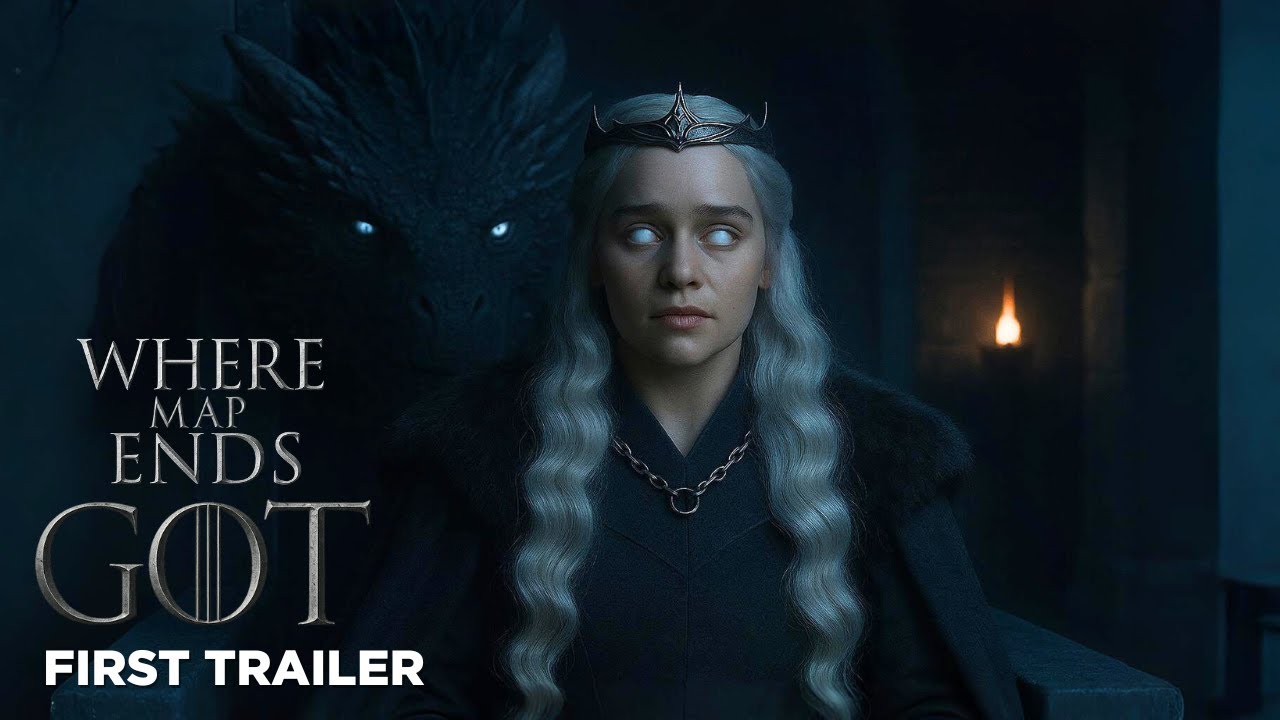
Introduction: Returning to a World That Refuses to Cool
Returning to Westeros is not like visiting an old hometown. It is more like reopening a history book where the ink is still wet with blood. Game of Thrones: Snow does not merely revive a franchise; it interrogates it. This continuation understands that nostalgia alone cannot carry a saga once defined by shock, scale, and moral unease. Instead, it leans into consequence. Winter is no longer a looming metaphor. It is the air the characters breathe, heavy with memory and regret.

A Story Built on Ashes and Ice
The narrative of Snow unfolds with patience, resisting the temptation to overwhelm. Power is again contested, but the series reframes ambition as something colder and more desperate. Alliances are forged not out of hope, but necessity. Betrayals sting because they feel inevitable, the product of survival rather than malice.

What works best is the show’s renewed interest in personal cost. Battles matter, but so do the silences between them. The script frequently pauses to let characters reckon with what they have done and what they have become. In doing so, the story regains the moral weight that once made this world feel dangerously alive.

Key Themes Explored
- The burden of legacy in a world that never forgets
- Loyalty tested under political and emotional frost
- Survival as a moral compromise, not a victory
Performances: Familiar Faces, Sharpened Edges
The returning cast brings a lived-in gravity that no amount of exposition could replace. Emilia Clarke plays resolve with fractures beneath it, allowing strength and vulnerability to coexist. Kit Harington’s performance is quieter, more inward, as if every word has to pass through memory before leaving his mouth.
Peter Dinklage once again proves that intelligence can be the most dangerous weapon in the room. His scenes crackle with irony and restraint. Lena Headey delivers a performance shaped by loss rather than rage, while Maisie Williams brings an edge of wary adulthood to a character who has long since lost her innocence. The ensemble feels less like a reunion and more like a reckoning.
Direction and Visual Storytelling
Visually, Game of Thrones: Snow is both brutal and beautiful. The camera lingers on snow-covered ruins and frostbitten battlefields, not to dazzle, but to remind us of what has been destroyed. Dragons return as forces of awe and terror, framed less as spectacle and more as unstable symbols of power.
The action is deliberate rather than excessive. When swords clash, it feels earned. When castles burn, the flames illuminate faces marked by doubt instead of triumph. The visual language suggests a world exhausted by war, even as it continues to wage it.
Sound, Score, and Atmosphere
The music understands when to step forward and when to disappear. Familiar motifs return, altered just enough to feel haunted. Silence is used as a narrative tool, especially in moments of aftermath, where the absence of sound speaks louder than any anthem.
Atmosphere is where Snow truly excels. The cold is not just seen, it is felt. Every scene seems wrapped in a chill that seeps into the dialogue, the pacing, and the performances.
Strengths and Shortcomings
What Works
- Character-driven storytelling grounded in consequence
- Strong, restrained performances from the core cast
- A visual tone that supports theme rather than spectacle
Where It Stumbles
- Some political threads feel underdeveloped
- The pacing may test viewers expecting constant action
Final Verdict: A Colder, Wiser Return
Game of Thrones: Snow does not attempt to rewrite history. It lives with it. This is a continuation that understands its own scars and uses them as texture rather than distraction. It may not recapture the raw shock of the early years, but it offers something rarer: reflection.
Winter, in this telling, is not just a season. It is a state of mind. And in embracing that chill, Snow finds a mature, haunting voice that lingers long after the screen fades to black.