


Introduction
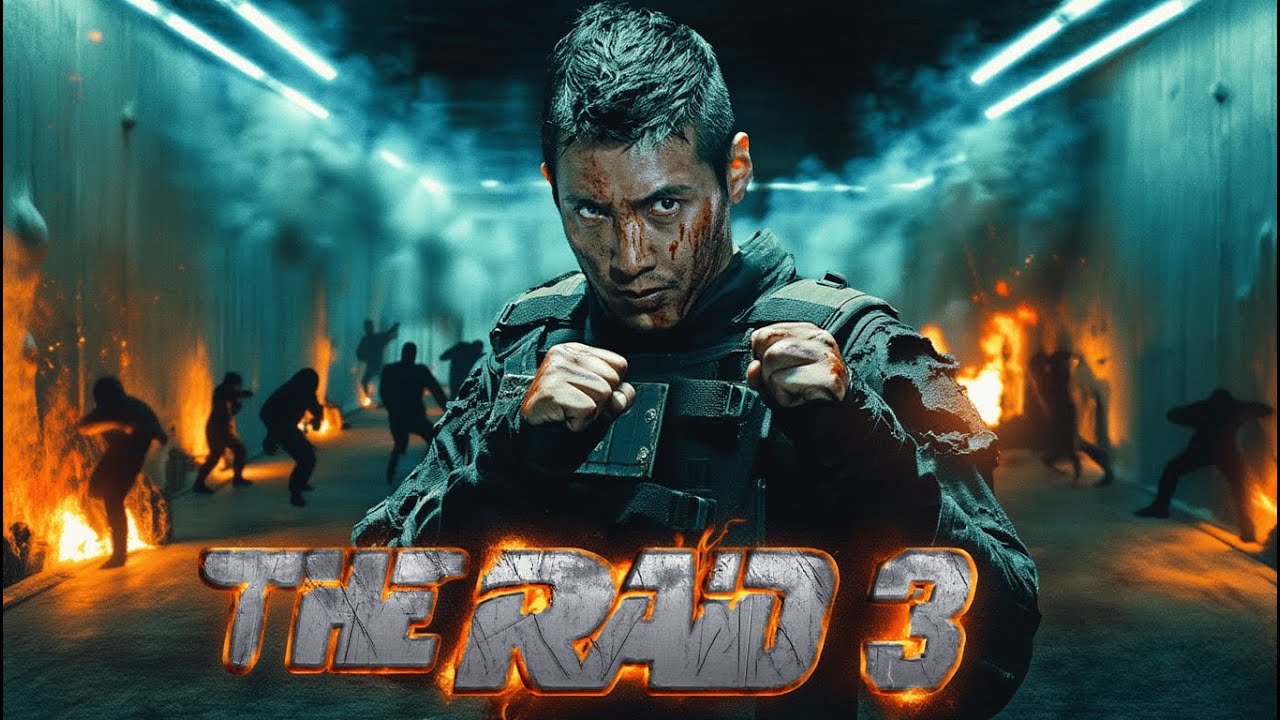
There are action movies, and then there are endurance tests for the soul. The Raid 3: Tokyo Syndicate belongs firmly in the latter category, not because it is exhausting in the wrong way, but because it demands your full attention, your nerves, and perhaps a moment afterward to steady your breathing. This long-awaited finale arrives with the confidence of a film that knows exactly what it is and refuses to apologize for it. Peace, as the film bluntly reminds us, was never an option.

A Story Built on Inevitability
The narrative wastes no time pretending this will be a tale of redemption or escape. Rama is hunted, wounded, and running out of places to hide. His journey from Indonesia to the heart of Tokyo’s criminal underworld feels less like a plot device and more like fate tightening its grip. The film understands that its audience is not here for surprises in structure, but for the grim satisfaction of watching inevitability play out blow by blow.

Tokyo is not portrayed as a postcard city. It is a maze of steel, glass, and shadow, a vertical battleground where every floor climbed is paid for in blood. The Yakuza hierarchy becomes a physical obstacle as much as a narrative one, culminating in a confrontation that feels operatic in its brutality.

Action as Language
The action in The Raid 3: Tokyo Syndicate is not merely spectacle; it is the film’s primary language. Each fight communicates character, desperation, and resolve more clearly than pages of dialogue ever could. Silat collides with kendo in a clash of philosophies as much as fighting styles, and the choreography is filmed with a clarity that respects both the performers and the audience.
The much-discussed subway car sequence deserves its growing legend. Confined, frantic, and merciless, it redefines claustrophobic violence and sets a new benchmark for close-quarters combat on film. It is not just impressive; it is frightening in how plausible it feels, as if the walls themselves are closing in on Rama.
Performances That Carry the Weight
Iko Uwais once again proves that physical performance can be as emotionally expressive as any dramatic monologue. His Rama is stripped down to raw survival instinct, a man who keeps moving because stopping would mean death. There is weariness in his eyes that no amount of training can mask, and it gives the film an unexpected emotional undercurrent.
Opposite him, Hiroyuki Sanada brings a chilling stillness to the role of the oyabun. He does not need to move much; authority radiates from him. When he finally does engage, the contrast between controlled precision and explosive violence is mesmerizing.
Direction and Visual Identity
The film’s direction embraces Tokyo’s neon glow without romanticizing it. Bright colors clash with dark deeds, creating a visual irony that underscores the story’s moral emptiness. The camera remains disciplined, favoring wide shots and sustained takes that allow the audience to appreciate the athleticism and danger of each encounter.
Sound design plays a crucial role as well. Every strike lands with sickening weight, every breath echoes in moments of silence. The film understands that sometimes the absence of music can be more unsettling than a full orchestral score.
Final Verdict
The Raid 3: Tokyo Syndicate is not interested in broadening its appeal or softening its edges. It is a definitive, blood-soaked conclusion to one of the most influential martial arts trilogies of the modern era. The violence is extreme, but it is never empty. It serves a purpose, completing Rama’s journey in the only way that ever made sense.
This is action cinema at its purest and most uncompromising. By the time the final sunrise breaks over Tokyo, you may feel battered, but you will also know you have witnessed something rare: a trilogy ending that does not retreat from its identity, but charges headlong into it.
Score
- Overall Rating: 9.9/10